
Last week bill S.54, which laid the groundwork for Vermont to regulate and tax recreational marijuana sales, was passed into law without Republican Governor Phil Scott’s signature.
The law states that all counties may opt-in to having adult-use recreational dispensaries with special consideration to women-owned or people of color cultivators and businesses. The Vermont Cannabis Control Board (CCB) will also be formed in order to oversee legalization, license and retail steps.
The CCB will be able to issue retail licenses beginning August, 2022, however some medical dispensaries will be able to open earlier in the year. This delayed start will give regulators time to create rules regarding sales and operations.
Vermont legalized medical marijuana in 2004, removing legal possession and cultivation penalties for patients and setting up the Vermont Marijuana Registry. In January 2018, Scott signed legislation eliminating penalties for possessing small amounts of marijuana for adults 21 years of age and older.
Major Victory for Cannabis Reform
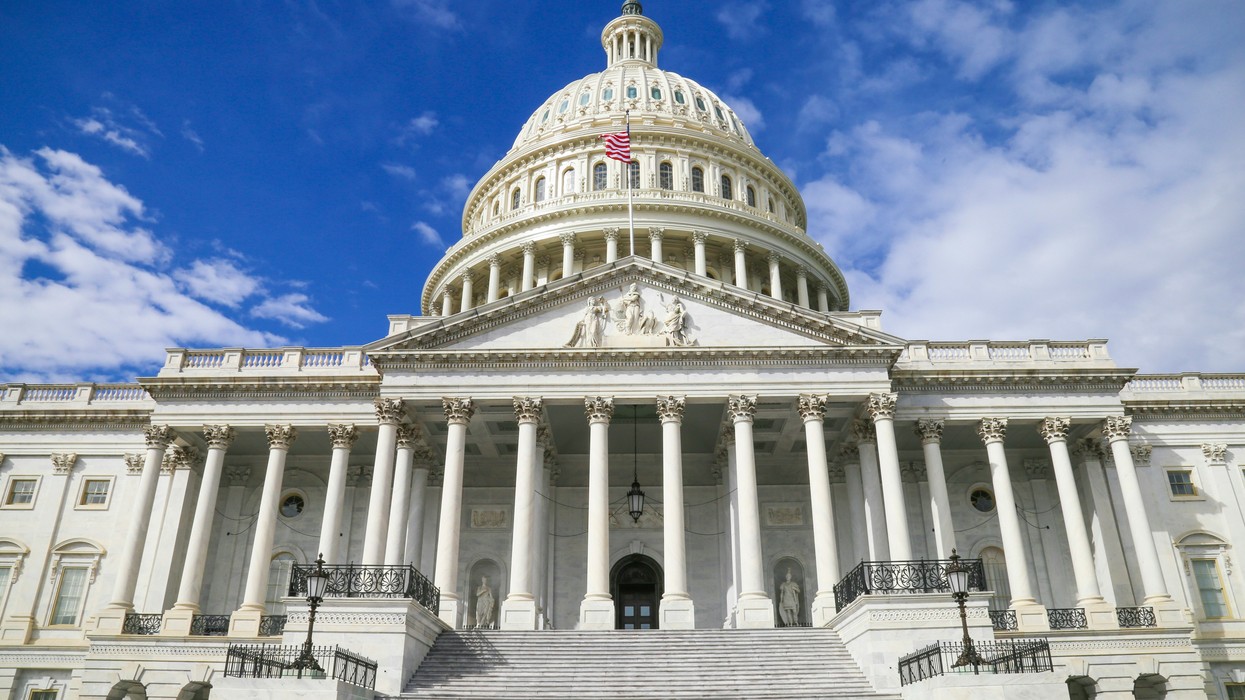
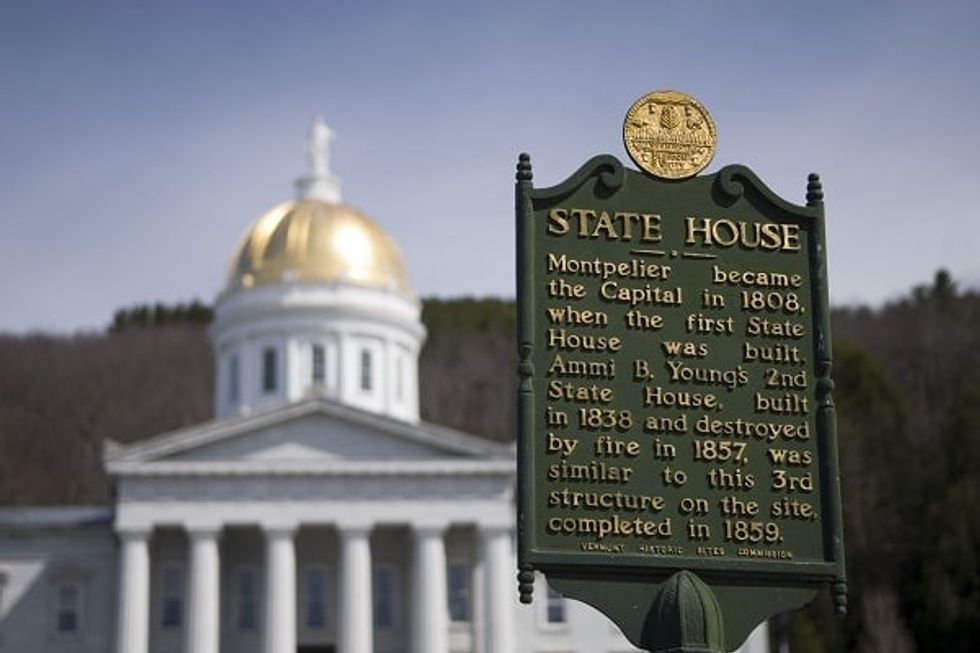 Vermont State Capital in MontpelierAdobe Stock
The passing of the legislation, which made Vermont the 11th state to allow adult-use marijuana, is viewed as a major victory by the Marijuana Policy Project (MPP), especially considering it was the second state to legalize recreational via the legislature instead of the ballot box. Illinois was the first.
The significance of Vermont’s decision to legalize and regulate cannabis sales, especially in a state with a Republican governor and through the legislative process, cannot be overstated. This is an historic move that adds to the momentum of our movement and underlines its breadth and depth, and importantly, it comes as other state legislatures are poised to seriously consider legalization in the very near future.
Steven Hawkins, MPP Executive Director
Scott, an anti-Trump Republican who is almost assured reelection to a third term this fall, seemed to look for new ways to justify vetoing the bill almost weekly.
Just days before the deadline, Scott wrote a letter expressing concern about the lack of a cannabis equity program that would help minority communities disproportionately impacted by the "War on Drugs.". NOFA-Vermont, a farming and social justice alliance, supported Scott saying the bill “does not prioritize restorative justice and inclusion of those more harmed by our nation’s racist history of cannabis prohibition, criminalization, and mass incarceration.”
Additionally, Scott expressed concerned with allowing vape products as he is convinced that vaping poses a public health threat.
RELATED STORY: NJ Legalization Effort Launched NJ Can 2020 On Full Blast
In the end, Scott chose to neither veto or approve the legislation, letting the bill become law.
What Does Legal Cannabis in Vermont Mean?
 Photo by Adobe Stock
As a small state, Vermont will have a different dynamic from other adult-use states because towns who approve retail sales will lie in close proximity to towns restricting sales. This differs from the dynamic of large states such as California where consumers sometimes travel great distances to reach legal municipalities.
RELATED STORY: The 2020 Vote For Cannabis Legalization: 6 States And The Domino Effect
The Vermont recreational market will build upon one of the smallest medical markets in the country with only five legally operating businesses. According to cannabis law firm Vicente Sederberg, adult-use sales are projected to reach $265 million by 2025 adding nearly $50 million dollars to the state's tax coffers assuming a whopping 20% sales tax.
The state would direct 30% of tax revenue from cannabis sales toward drug use prevention and education initiatives, and use part of these sales revenues to fund a universal after-school program.
The CCB will begin issuing licenses to manufacturers and wholesalers in August 2022, with retail stores opening as soon as October 2022.
Licensing types include stand-alone permits for new entrants, including growers, retailers, manufacturers, wholesalers, and testing labs, as well as vertical integration. Newcomers to the industry will be allowed one license per category, so all operations will be done in a single location.
Once recreational establishments open in fourth quarter 2022, they will be limited to flower with no more than 30% THC content and concentrates with less than 60% THC. Edibles will be allowed to have no more than 60 milligrams of THC and limited to servings of 5 milligrams each. The only permitted oils are vape pen cartridges.
These limitations are only for recreational use and do not apply to medical marijuana.
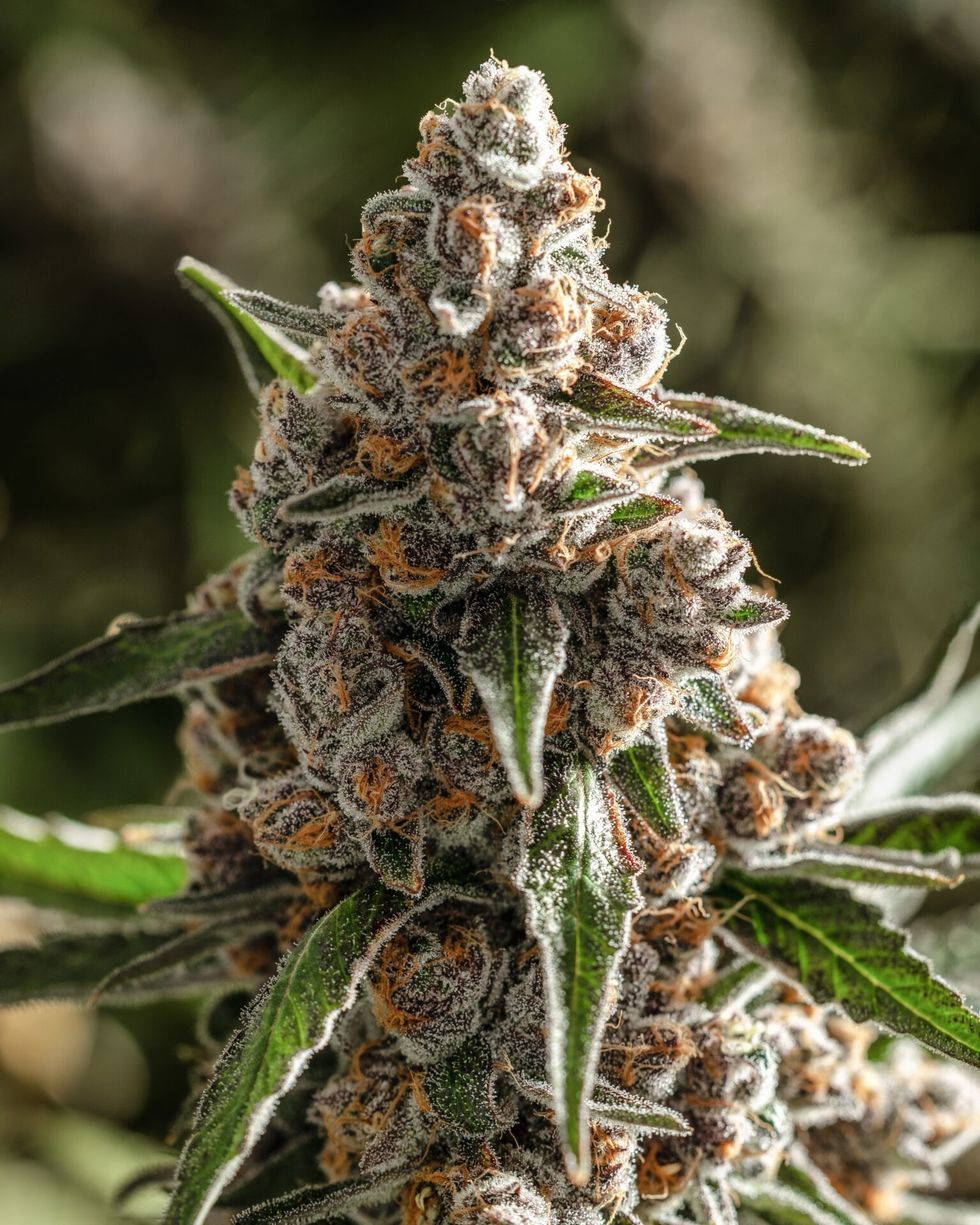
 Adobe Stock
Vermont is also implementing strict penalties for those driving under the influence of cannabis. First time offenders can face a $750 fine and up to two years in prison. Individuals who receive over four convictions are subject to up to a decade in prison and $5,000 fines. Consumption in a vehicle, including second hand smoke from a non-driver, will lead to a $500 fine and an open container in the vehicle is subject to a $200 fine.
New Jersey, Arizona, Montana and South Dakota voters will decide their recreational use measures during the November voting season.
Are you still missing out on The Bluntness newsletter? Sign Up today to stay in the loop.


 Super Boof Strain: 2024 Strain of the Year - The Bluntness
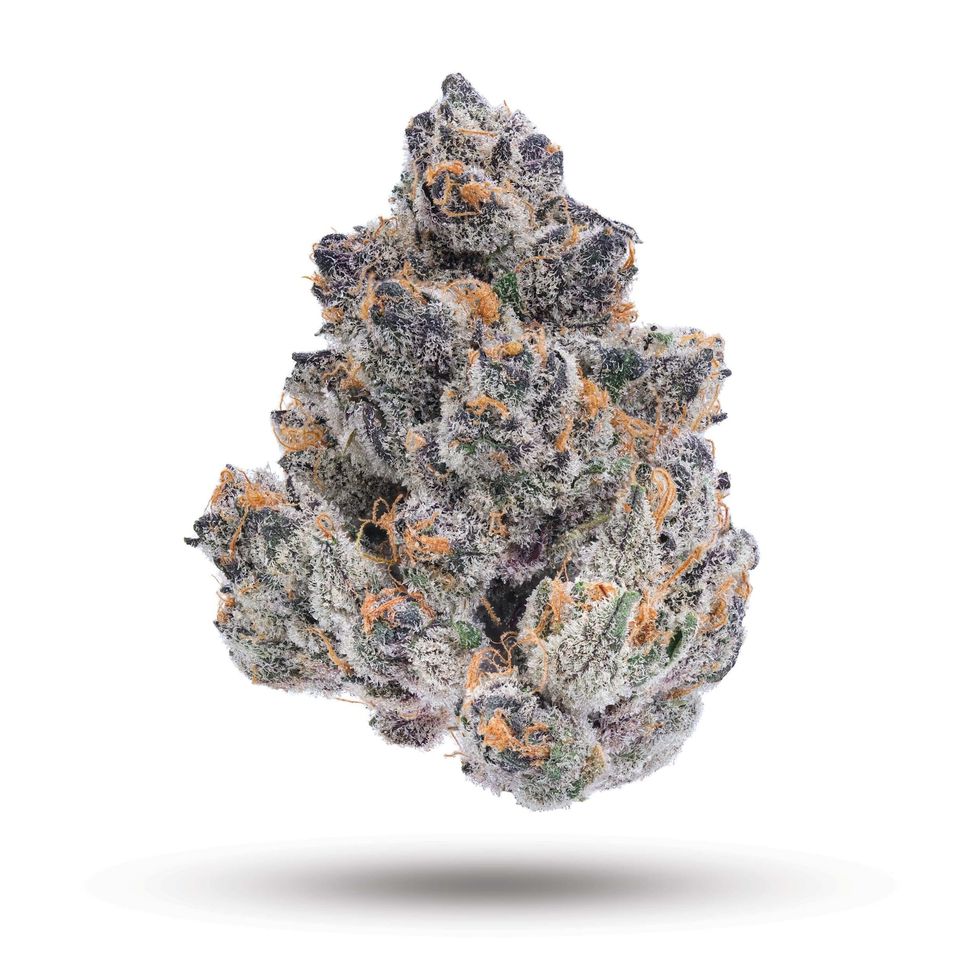 Super Boof Strain: 2024 Strain of the Year - The Bluntness