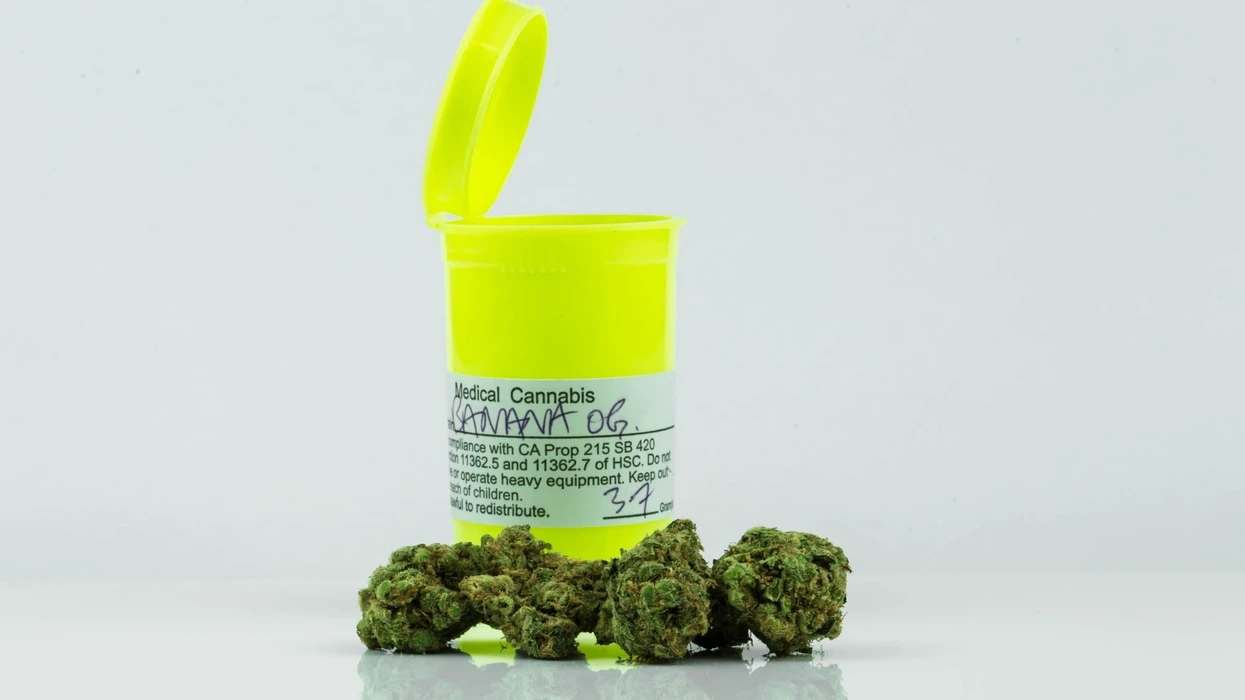
How Many Marijuana Strains Are There? Quick Facts
Key Information | The Reality |
Core Unique Strains | ~700 distinct genetic lineages |
Named Varieties | 3,600+ documented cultivars |
New Strains Created | Dozens added monthly through breeding |
Why So Many? | Easy hybridization, legal market expansion, breeder experimentation |
Main Categories | Indica, Sativa, Hybrid (though scientifically outdated) |
What Actually Matters | Chemotype (terpenes + cannabinoids), not indica/sativa labels |
Most Popular Strains | Blue Dream, OG Kush, Sour Diesel, Girl Scout Cookies, Granddaddy Purple |
Choosing the Right One | Focus on terpene profile, THC/CBD ratio, and desired effects |
Why Counting Cannabis Strains Is Like Counting Stars
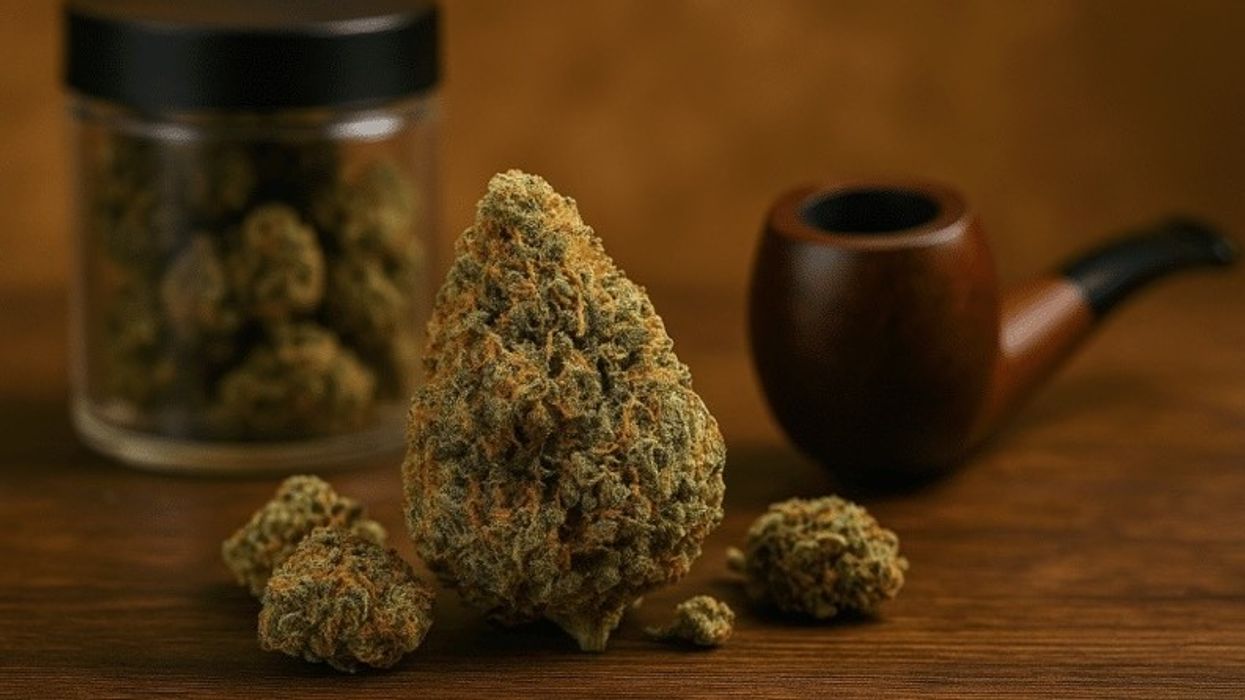
Here's the honest answer: nobody knows exactly how many cannabis strains exist, and anyone claiming a precise number is guessing. Major databases like Leafly catalog 3,600+ named varieties, while cannabis geneticists estimate around 700 truly unique genetic lineages, with the rest being variations, crosses, or regional phenotypes of those core genetics.
Why the confusion? Cannabis breeding works a lot like a never-ending remix culture. Take two popular strains, cross them, stabilize the offspring over a few generations, slap a name on it, and boom—new strain. This happens constantly in legal markets, underground breeding operations, and everywhere in between. The result? New varieties appear faster than anyone can catalog them.
Think of it this way: there are over 10,000 wine grape varieties and 3,000 registered tulip cultivars. Cannabis sits right in that same category of extensively hybridized crops. The difference? Cannabis breeding exploded in the past three decades, accelerating dramatically with legalization.
What Actually Makes a "Strain" Different From Another?
The "Strain" vs. "Cultivar" Debate
First, let's address the terminology elephant in the room. Botanists cringe when people say "strain" because that term technically applies to bacteria and viruses, not plants. The proper word is cultivar (cultivated variety).
But here's reality: "strain" caught on in the 1980s underground cannabis culture and became deeply embedded in consumer language. Walk into any dispensary and ask for "Sour Diesel cultivar" and you'll get blank stares. Ask for "Sour Diesel strain" and they'll know exactly what you mean.
Will this change? As cannabis professionalization continues, scientific terminology is slowly gaining ground. You'll see "cultivar" used more in research papers, lab reports, and professional cultivation circles. But for consumers? "Strain" isn't going anywhere soon.
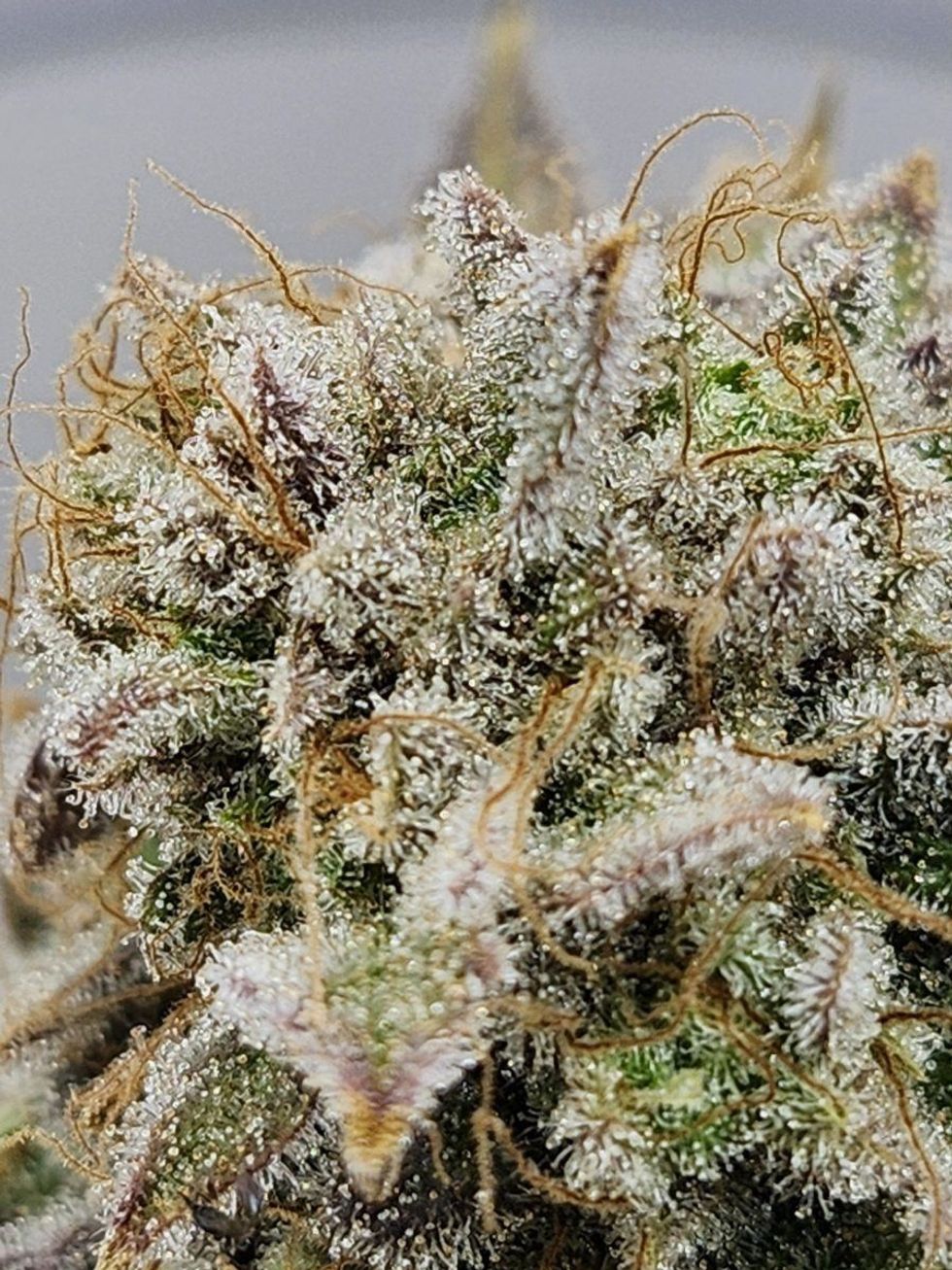
 Apple Fritter Strain - The Bluntness Riverside Greenery
What Creates Different Cannabis Varieties
Cannabis varieties differ based on several factors:
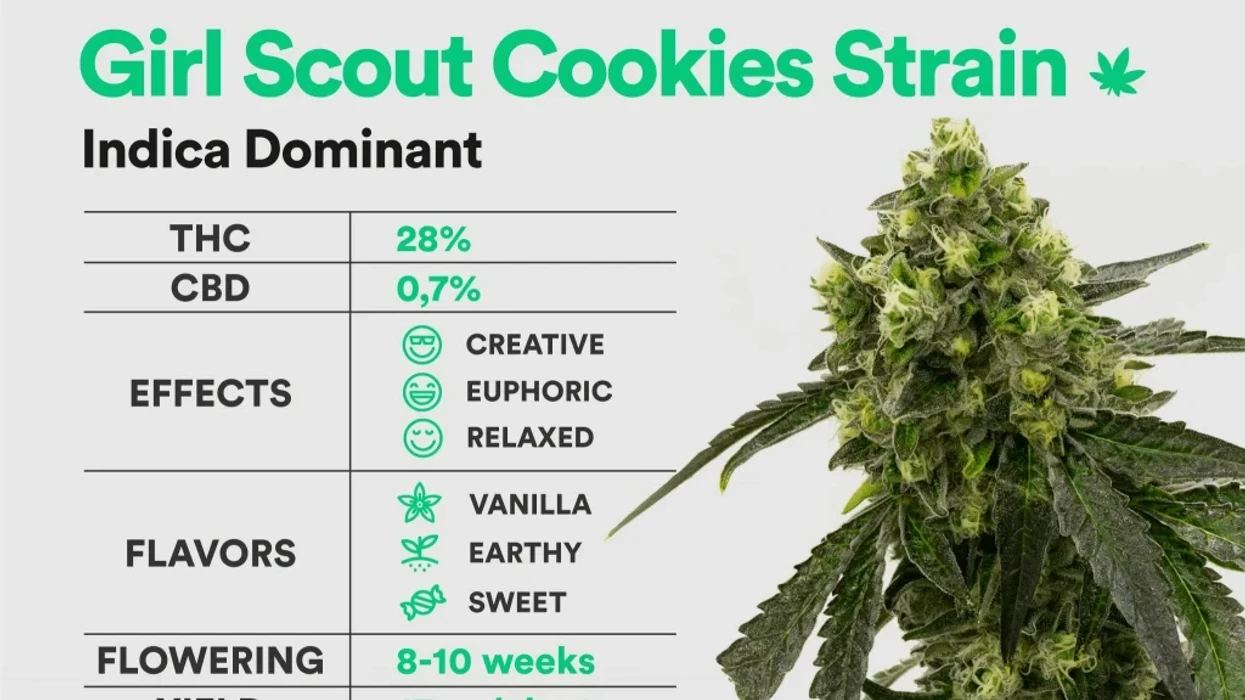
Genetics (Parentage): Every strain has parent plants that contributed DNA. Blue Dream comes from Blueberry × Haze. Girl Scout Cookies descends from OG Kush × Durban Poison. These genetic foundations determine what traits the offspring can express.
Chemotype (Chemical Profile): This is what actually determines your experience—not whether something is labeled "indica" or "sativa." A strain's chemotype includes:
- Cannabinoid ratios - How much THC, CBD, CBG, CBN, and other cannabinoids it produces
- Terpene profile - Which aromatic compounds dominate (myrcene, limonene, caryophyllene, etc.)
- Minor compounds - Dozens of other molecules that contribute to overall effects
Example: Two strains can both be "indica-dominant hybrids" with 22% THC, but if one has high myrcene (sedating) and the other has high limonene (uplifting), they'll feel completely different.
Phenotype (Physical Characteristics): This describes what the plant looks like and how it grows:
- Leaf shape (broad vs. narrow)
- Plant height and structure
- Flowering time
- Bud density and color
- Resin production
Cultivation Expression: The same genetic strain grown in different environments can express different characteristics. Indoor vs. outdoor, soil vs. hydroponics, climate variations—all influence the final product. This is why the "same" strain from two dispensaries can feel different.
The Indica/Sativa/Hybrid Classification: Useful or Outdated?
What These Terms Originally Meant
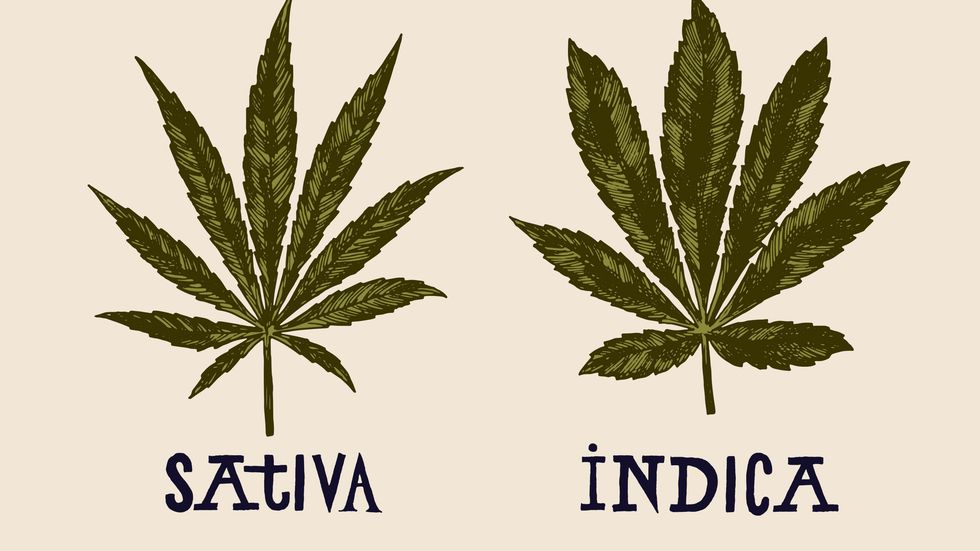
Sativa:
- Origin: Equatorial regions (Thailand, Mexico, Colombia)
- Physical traits: Tall plants, narrow leaves, long flowering time (10-14 weeks)
- Traditional effect assumption: Energizing, cerebral, creative
Indica:
- Origin: Mountainous regions (Afghanistan, Pakistan, Hindu Kush)
- Physical traits: Short, bushy plants, broad leaves, faster flowering (7-9 weeks)
- Traditional effect assumption: Sedating, body-focused, relaxing
Hybrid:
- Definition: Any cross between different genetics
- Reality: Nearly all modern strains are technically hybrids
Why This Classification System Falls Short
Modern cannabis research has revealed a uncomfortable truth for the industry: the indica/sativa labels don't reliably predict effects. A 2015 study analyzing the genetic makeup of strains found that indica and sativa classifications had little correlation with actual genetic differences or chemical profiles.
What actually determines effects? Your experience comes down to:
- Terpene profile - These aromatic compounds significantly influence how THC affects you:
- Myrcene (earthy, musky) - Sedating, "couch-lock" effect
- Limonene (citrus) - Mood-elevating, anxiety-reducing
- Caryophyllene (peppery) - Anti-inflammatory, stress-relieving
- Pinene (pine) - Alertness, memory retention
- Linalool (floral) - Calming, anxiety-reducing
- THC/CBD ratio - More THC doesn't always mean "better"—balance matters
- Your endocannabinoid system - Individual biochemistry affects how you process cannabinoids
- Tolerance and consumption method - Smoking vs. vaping vs. edibles changes everything
So why do dispensaries still use these terms? Because they remain useful for describing physical plant characteristics (growers need this info) and provide a familiar framework for consumers, even if scientifically imprecise. Think of them as general guidelines rather than definitive categories.
 Indica vs. Sativa: Are These Cannabis Labels Outdated? - The Bluntness www.thebluntness.com
Most Popular Cannabis Strains by Category
Top Sativa-Dominant Strains
What "sativa" means here: Typically energizing effects with uplifting terpene profiles, though remember—effects vary by individual
- Sour Diesel - Fuel-citrus aroma, rapid cerebral effects, creative focus
- Jack Herer - Spicy-pine flavor, balanced energy without anxiety
- Green Crack - Mango-citrus sweetness, sharp mental clarity
- Durban Poison - Pure African landrace, sweet anise flavor, clean energy
- Super Lemon Haze - Citrus-forward, long-lasting euphoria
Top Indica-Dominant Strains
What "indica" means here: Often associated with relaxing effects and sedative terpenes like myrcene
- Granddaddy Purple - Grape-berry sweetness, body relaxation, sleep aid
- Northern Lights - Classic Afghan genetics, earthy-sweet, deeply calming
- Purple Punch - Dessert-like flavor, heavy sedation, evening use
- Bubba Kush - Coffee-chocolate notes, muscle relaxation
- Zkittlez - Fruity candy profile, mild sedation with mood boost
Top Hybrid Strains
Most popular category: Balanced or leaning slightly indica/sativa
- Blue Dream - Blueberry sweetness, balanced effects, beginner-friendly
- OG Kush - Fuel-earth-lemon, legendary California genetics, balanced euphoria
- Girl Scout Cookies - Sweet-spicy-earthy, potent, creative relaxation
- Gelato - Dessert-like, balanced physical and mental effects
- Wedding Cake - Vanilla-earthy, relaxing yet functional
How New Cannabis Strains Are Created
The Breeding Process Explained
Step 1: Selecting Parent Plants Breeders choose two plants with desired characteristics. Maybe one has incredible flavor, the other has massive yields. Or one produces high THC, the other has desirable growth patterns.
Step 2: Crossing (Pollination) Male pollen fertilizes female flowers, producing seeds that contain genetic information from both parents—just like human reproduction.
Step 3: Growing Out F1 Generation The first generation (F1) offspring show various trait combinations. Some inherit the best from both parents, others don't. Breeders grow out dozens or hundreds to find winners.
Step 4: Stabilization (F2, F3, F4...) Breeders select the best F1 plants and cross them again, then repeat this process for multiple generations until the strain "breeds true"—meaning offspring consistently express desired traits.
Step 5: Naming and Release Once stabilized, the strain gets named (often creatively or ridiculously) and released as seeds or clones.
Timeline: Creating a stable new strain takes 1-3 years minimum, sometimes longer.
Why So Many New Strains Keep Appearing
Legal Market Demand: Dispensaries want exclusive offerings and novel experiences for customers. "New strain drops" drive foot traffic similar to limited-edition sneaker releases.
Breeder Innovation: Cannabis breeders are constantly chasing:
- Higher potency (though we've arguably hit practical limits)
- Novel terpene profiles and flavors
- Specific medical applications
- Improved growing characteristics (faster flowering, higher yields, pest resistance)
- Unique bag appeal (colorful buds, exotic structures)
Marketing and Branding: Sometimes "new" strains are just rebranded phenotypes or minor variations. Not every "new strain" represents truly unique genetics.
Regional Variations: The same genetic line grown in different regions can develop distinct characteristics, leading to regional variations getting their own names.
 Georgia Pie Strain Profile: history, effects, and more - The Bluntness www.thebluntness.com
How to Choose the Right Strain For You
Forget Indica/Sativa—Focus on These Instead
1. Desired Effects:
- Need energy? Look for strains high in limonene, pinene, or terpinolene
- Want relaxation? Seek myrcene, linalool, or caryophyllene
- Managing pain? Consider caryophyllene and moderate THC
- Reducing anxiety? Try strains with linalool, limonene, and lower THC (or add CBD)
2. THC/CBD Ratio:
- High THC, Low CBD (20%+ THC, <1% CBD): Most recreational strains—potent psychoactive effects
- Balanced (5-15% THC, 5-15% CBD): Therapeutic with milder high—good for anxiety, pain, beginners
- High CBD, Low THC (<5% THC, 10-20% CBD): Minimal intoxication, maximum medical benefit
3. Terpene Profile: Ask your budtender or check lab reports for dominant terpenes. This predicts effects better than indica/sativa labels.
4. Consumption Method:
- Smoking/vaping flower: Fastest onset, full terpene experience
- Concentrates: More potent, less terpene variety
- Edibles: Longer-lasting, more body-focused regardless of strain
5. Start Low, Go Slow: Especially with unfamiliar strains, begin with small amounts and wait 15 minutes (flower) or 2 hours (edibles) before consuming more.
Questions to Ask Your Budtender
Instead of "What's your best indica?" try these:
- "What strains are high in myrcene if I'm looking for sleep help?"
- "Do you have anything with limonene that won't spike my anxiety?"
- "What's your most beginner-friendly strain with balanced THC/CBD?"
- "Can I see lab results showing terpene profiles?"
- "What strains do your most experienced customers recommend for [specific use case]?"
The Future of Cannabis Strain Diversity
Where Breeding Is Heading
Terpene-Forward Breeding: As consumers become more educated, breeders are targeting specific terpene profiles rather than just chasing THC percentages. Expect strains designed around terpene dominance.
Medical Precision: More strains bred specifically for medical conditions (epilepsy, chronic pain, PTSD) with carefully balanced cannabinoid and terpene ratios.
Sustainable Genetics: As climate concerns grow, breeders are developing strains that require less water, resist pests naturally, and thrive in diverse climates.
Minor Cannabinoid Focus: CBG, CBN, THCV, and other minor cannabinoids are gaining attention. Future strains may emphasize these compounds.
Regional Landrace Preservation: Efforts are underway to preserve original landrace genetics (pure regional varieties) before they're lost to hybridization.
Will the Number Ever Stop Growing?
Short answer: No. As long as cannabis remains legal and cultivated, new varieties will emerge. But the rate of truly innovative genetics (not just rebranded variations) may stabilize as breeders exhaust obvious combinations and focus on refinement over novelty.
 How many strains of weed are there? - The Bluntness www.thebluntness.com
Common Questions About Cannabis Strains
How many marijuana strains exist in 2025? Current estimates suggest 700+ core unique genetic lineages, with 3,600+ named varieties documented in major databases. New strains are added monthly, making an exact count impossible.
What's the difference between a strain and a cultivar? "Strain" is the popular term, though scientifically incorrect—it applies to bacteria and viruses. "Cultivar" (cultivated variety) is the botanically correct term for plant varieties. Both refer to the same thing in cannabis.
Are indica and sativa classifications accurate? Not for predicting effects. These terms describe physical plant characteristics (leaf shape, height, flowering time) but don't reliably indicate how a strain will make you feel. Terpene profiles and cannabinoid ratios determine effects.
What makes one strain different from another? Genetic lineage (parent plants), chemical profile (cannabinoids and terpenes), and growing conditions all contribute to making each strain unique. Even the same genetics grown differently can produce varying results.
What's the most popular cannabis strain? Blue Dream consistently ranks as the most popular strain in North America due to its balanced effects, pleasant blueberry flavor, and beginner-friendly profile. OG Kush, Girl Scout Cookies, and Sour Diesel are also perennial favorites.
Can the same strain have different effects? Yes. Environmental factors, growing methods, harvest timing, curing process, and individual biochemistry all influence how any strain affects you. This is why the "same" strain from different growers can feel different.
How are new strains created? Breeders cross two parent strains, grow out the offspring, select plants with desired traits, then stabilize those traits over multiple generations until the variety breeds true. This process typically takes 1-3 years.
Are there strains with no THC? Yes—hemp strains and high-CBD cultivars contain less than 0.3% THC (hemp) or minimal THC with high CBD (medical strains like Charlotte's Web, ACDC, Harlequin). These provide therapeutic benefits without intoxication.
What strain is best for beginners? Balanced hybrids with moderate THC (12-16%) and presence of CBD are most beginner-friendly. Popular options include Blue Dream, Harlequin, Pennywise, and Cannatonic. Avoid high-THC strains (25%+) initially.
Do strain names mean anything? Sometimes. Some names describe lineage (Blue Dream = Blueberry × Haze), others reference effects (Green Crack for energizing properties), appearance (Purple Punch), or are completely arbitrary marketing. Names alone don't reliably indicate effects.
Will there ever be too many strains? From a consumer perspective, the abundance provides choice but can be overwhelming. The market will likely consolidate around proven genetics while niche varieties serve specific audiences—similar to craft beer.
How do I know if a strain is real or renamed? Genetic testing can verify authenticity, but most consumers rely on reputable dispensaries and breeders. Research the supposed lineage, check multiple sources, and be skeptical of strains claiming impossible genetics or characteristics.
Key Takeaways: Navigating Cannabis Strain Diversity
The Bottom Line:
- 700+ unique genetic lineages exist, with 3,600+ named varieties documented
- New strains constantly emerge through breeding, hybridization, and market demand
- Indica/sativa labels describe physical plant traits, not guaranteed effects
- Terpene profiles and cannabinoid ratios predict your experience more accurately
- Most modern strains are hybrids of various genetics—pure landraces are increasingly rare
Practical Approach: Stop worrying about exact strain names or indica/sativa categories. Instead, focus on:
- What effects you're seeking (energy, relaxation, pain relief, creativity)
- Terpene profiles that deliver those effects
- THC/CBD ratios appropriate for your tolerance
- Starting small with unfamiliar genetics
The Paradox of Choice: Having thousands of strains sounds overwhelming, but in reality, most people find 3-5 varieties that work well for their needs and stick with those. Use the diversity to explore and discover your personal favorites, not to sample everything.
Cannabis strain diversity reflects human ingenuity, agricultural tradition, and consumer demand all colliding in a rapidly evolving legal market. Whether there are 700 or 7,000 strains matters less than finding the ones that work for you.
Resources for Strain Research:
- Leafly - Largest strain database with user reviews and lab data
- AllBud - Searchable by effects, terpenes, and medical applications
- Wikileaf - Price comparison and strain information
- Your local dispensary - Ask for lab reports showing terpene profiles
Disclaimer: Cannabis affects everyone differently. This guide provides general information, not medical advice. Consult healthcare professionals for medical cannabis recommendations. Always start with low doses and consume responsibly within local laws.
For more, check out our complete collection of cannabis strain reviews.
Don't miss out on more Bluntness! Sign Up for our newsletter to stay in the loop.



 Acapulco Gold Cannabis Strain Review - The Bluntness
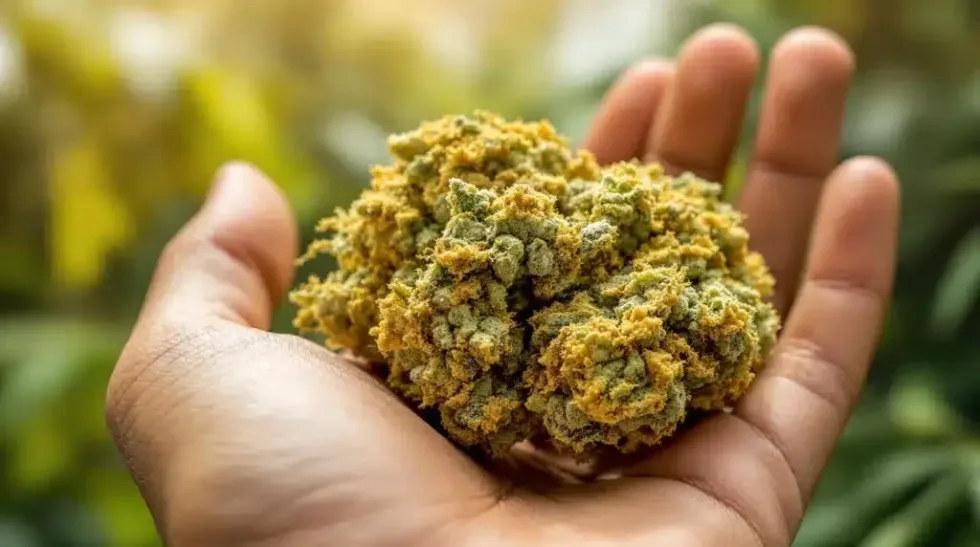 Acapulco Gold Cannabis Strain - The Bluntness Blimburn Seeds