
CBD overdose is rare but possible
There are several concerns about the possibility of overdosing on CBD and other cannabinoids. While the FDA and other regulatory bodies are yet to determine the Recommended Daily Intake (RDI) for CBD and other cannabinoids, we need to watch our cannabinoid dose and ensure we are not consuming more than we ought to.
Although it is almost impossible to overdose (OD) on CBD, attaining toxicity levels is possible. Toxicity levels of CBD refer to the levels at which our bodies can no longer process CBD, and it becomes potentially dangerous. CBD may produce several side effects at this level.
Note that toxic levels vary from person to person and are determined by factors like body chemistry, type of product used, health status, and age. Considering these factors, some scientists have shown that CBD's toxicity level for most adults starts at 20,000mg. Achieving this concentration is almost impossible. This is why most marketers believe CBD has no adverse side effects and conclude it is impossible to overdose on CBD.
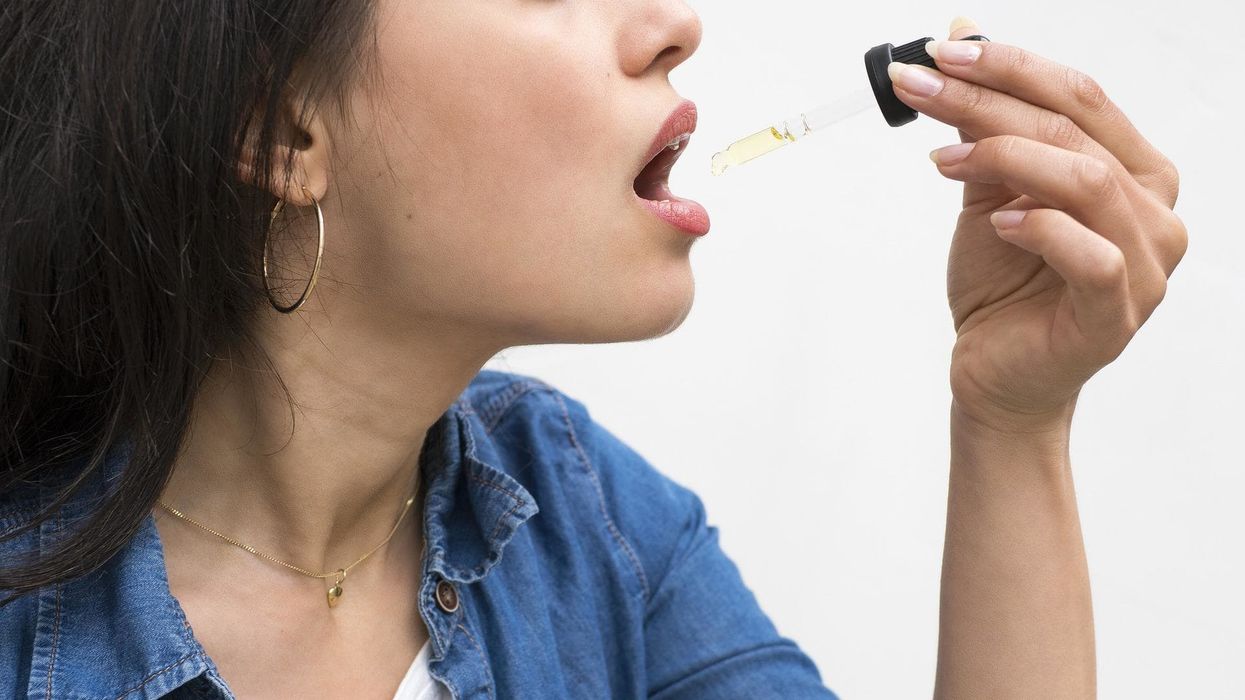
It is almost impossible to consume a product with 20,000mg CBD. Let’s break it down. You may need to consume 20 bottles of 1000mg CBD oil or edible at once to achieve this concentration.
Psychoactive (THC) and non-psychoactive (CBD) cannabinoids may express different toxicity levels. While the toxic levels of psychoactive cannabinoids like THC can be extremely uncomfortable, research shows that attaining toxic levels of CBD may be mild. Their research showed that humans could tolerate as high as 1500mg of CBD per day without experiencing any adverse side effects. CBD is only likely to produce mild side effects at this concentration.
Signs of CBD overdose
Overdosing on CBD can produce the following signs.
- Nausea
- Diarrhea
- Extreme drowsiness
- Feelings of disorientation
CBD vs. THC overdose
While CBD and THC come from the cannabis plant, they interact differently with receptors. The non-psychoactive nature of CBD makes it more user-friendly than THC. While humans can tolerate up to 1500mg of CBD, the toxicity level of THC starts at 300mg for adults. Although the standard unit for research on THC is 5mg, most experts believe THC concentration should not exceed 40mg daily.
This difference in tolerance level may arise from the non-intoxicating nature of CBD and its interaction with the CB2 receptors. The CB2 receptors play immunomodulatory roles and mitigate THC's psychoactive effects when administered together. CBD also interacts with other receptors directly involved in inflammation, controlling appetite, sleep, and relaxation.
Some common signs of THC overdose include;
- Chest pain
- Shortness of breath
- Nausea and vomiting
- Rapid heartbeat
- Hallucination
- Severe anxiety and panic attacks
The probability of overdosing on THC (aka greening out) and other cannabinoids is often intensified with the consumption of alcohol and prescription medications like aspirin, theophylline, and clobazam. Generally, cannabinoids, including CBD, undergo a negative drug interaction with prescription medications in the same manner as grapefruit, which can lead to serious pharmaceutical dosing issues if left unchecked.
The level of CBD and THC overdose also relies on the user's age and the mode of administration. It is common to experience adverse side effects in children when oral doses ranging from 5 to 300mg are administered. They can trigger symptoms like hypotension, respiratory depression, panic, and anxiety.
Mislabelled products can also contribute to CBD overdosing. A 2020 research shows that several CBD products contained little to no CBD in them while recording a wrong THC concentration. Most manufacturers resort to this fraud in order to get their products approved by the FDA.
Can CBD overdose cause death?
Researchers believe overdosing on CBD, and other cannabinoids like THC does not lead to death. They believe cannabis is incapable of causing death, and potential cannabis-related deaths may arise from negative drug interaction and contaminants in the products. It is highly recommended that you don’t combine your cannabis-based products with any other medication as this may trigger adverse side effects and greening out.
What to do if you overdose on CBD
The first step is to discontinue the product immediately. Identify at what dose you experienced the side effects and try to limit your consumption. If you are a first-time user, you should start with an average of 5-20mg per day and gradually increase the dosage until you experience the best effects.
Need a little more Bluntness in your life? Subscribe for our newsletter to stay in the loop.